
Minoxidil vs Natural Oils: What I Learned After Using Both (Real Results)
Posted by Stallion on Jan 4th 2026
Look, I'm going to be straight with you. When I first noticed my hairline doing that slow retreat thing—you know, where it's creeping back like it's trying to sneak away without you noticing—I did what every guy does. I Googled it at 2 AM while my wife was asleep.
And what did I find? Minoxidil. The big name. The proven solution. Studies showing it works. Dermatologists recommending it. I'm thinking, "Okay, this is it. This is the answer."
Spoiler alert: It wasn't.
But here's the thing—I didn't just give up and accept my fate. I spent the next two years (yeah, two years) researching, testing, and basically turning my bathroom into a mad scientist's lab. The Minoxidil vs natural oils debate became my obsession. I tried Minoxidil. I tried finasteride. And eventually, I created my own natural hair growth oil that actually worked without making me feel like garbage.
Today, I'm breaking down everything I learned—the good, the bad, and the itchy, irritated scalp—so you don't have to waste months (or years) of your life figuring this out the hard way.
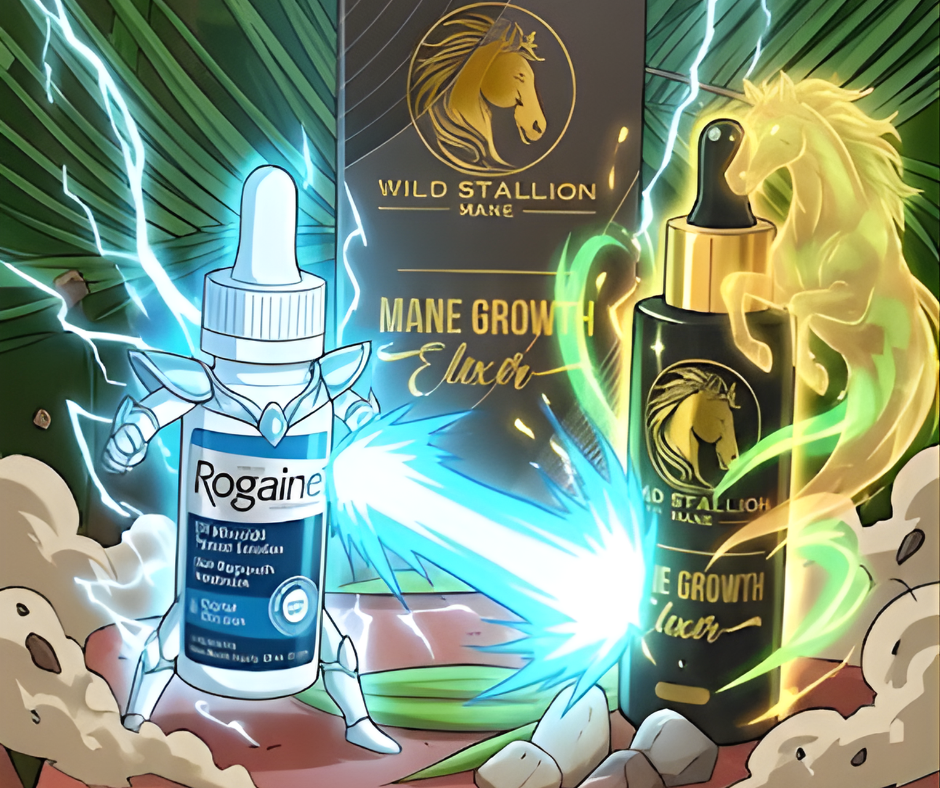
My Minoxidil Story: How I Learned to Stop Worrying and Hate the Foam
I was 28 when I started noticing the thinning. Not quite bald, but definitely heading in that direction. My crown area was looking a little too much like a landing pad, and my temples were doing their best Vegeta impression.
So I bought the 5% foam version of Minoxidil. Started applying it twice a day, morning and night. Like clockwork. I was committed. I was disciplined. I was ready to get my hair back.
Week 1-2: The Honeymoon Phase
Everything's fine. It tingles a bit. Kinda itchy. I'm thinking, "Okay, this is working. I can feel it working."
Week 3-4: The Shedding Begins
Now, they tell you this is going to happen. They say, "Oh, you're going to shed some hair. It's normal. It's part of the process."
But nobody tells you how much.
I'm in the shower watching clumps of hair go down the drain. I'm panicking. My wife's asking if I'm okay. And I'm like, "No, I'm not okay. I'm losing more hair than I had before I started this thing."
Month 2-3: The Irritation Gets Real
My scalp starts getting really itchy. Like, scratching-my-head-in-meetings itchy. And dry. And flaky. My kids are asking, "Daddy, why are you always scratching your head?"
At one point, I even thought maybe one of them gave me lice. (They didn't, thank God.)
The worst part? My scalp was turning red. It was irritated. It stung when I applied the Minoxidil. But I kept going because I thought, "Maybe this is just part of the process. Maybe it gets better."
Month 4-6: The Side Effects Nobody Warns You About
Here's where the Minoxidil vs natural oils comparison really started to matter to me.
I start noticing other things. My heart rate feels faster sometimes. That was scary. I'm getting headaches. And the big one—the one nobody wants to talk about—my libido takes a hit.
Now, I'm a husband. I'm a busy dad. I like being... active, if you know what I mean. And suddenly, I'm not feeling it. And I'm thinking, "Wait a minute. Is this worth it? Is having hair worth not being able to perform?"
To be perfectly fair, Minoxidil alone has about a 9% chance to cause ED, so it's possible the finasteride I was taking at the time was responsible. Maybe. But still, that's when I realized: I can't do this anymore.
I stopped using Minoxidil after about six months. And honestly? I didn't see much regrowth. My crown area—the spot that was almost bald—barely changed. Maybe a few baby hairs. But nothing significant. Nothing worth the side effects.
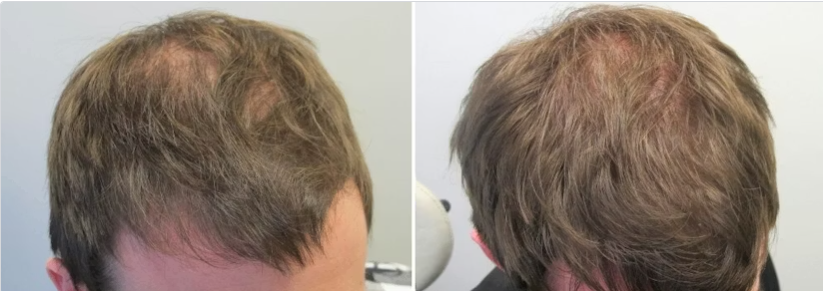
The Research Phase: How I Became a Hair Growth Nerd
So I'm sitting there, frustrated, annoyed, and still losing hair. And I'm thinking, "There has to be another way."
That's when I went down the rabbit hole. I started researching natural ingredients. I started reading studies on DHT blockers, circulation boosters, and scalp health. The Minoxidil vs natural oils question became my mission. I spent two years—literally two years—testing ingredients, mixing oils, and experimenting on my own head.
And here's what I learned:
How Minoxidil Actually Works (And Why It Comes With Trade-Offs)
According to a study published in the Journal of Cosmetic Dermatology, 5% Minoxidil showed 45% more hair regrowth than 2% Minoxidil after 48 weeks. That's real. That's science.
Minoxidil works by widening blood vessels and increasing blood flow to your scalp. It also extends the growth phase of your hair follicles. Sounds great, right?
But here's the catch: It also came with increased itching, scalp irritation, and in some cases, unwanted hair growth on the face and body.
And here's the big one: You have to use it forever.
If you stop, the hair you gained? It falls out. You're basically signing up for a lifetime subscription to a product that might irritate your scalp, mess with your heart rate, and cost you $30-$50 a month.
I'm not saying Minoxidil doesn't work. It does. For some people. But for me? The side effects weren't worth it.
Natural Oils for Hair Growth: Building My Own Solution
So I started building my own formula. And when comparing Minoxidil vs natural oils, I focused on three things:
1. Blocking DHT Naturally (Without the Side Effects)
DHT is the hormone that shrinks your hair follicles. It's the main culprit behind male pattern baldness. So I needed ingredients that could block DHT without the side effects of finasteride.
I found:
- Saw Palmetto - A natural DHT blocker backed by research
- Pumpkin Seed Oil - Shown to reduce DHT levels
- Black Seed Oil - Ancient remedy with modern science backing it
All three are natural DHT blockers that work with your body, not against it.
2. Boosting Circulation (The Natural Way)
Your hair follicles need oxygen and nutrients. If blood isn't flowing to your scalp, your follicles starve. So I added:
- Peppermint Oil - Increases blood flow to the scalp
- Rosemary Oil - Proven as effective as 2% Minoxidil in studies
- Ginkgo Biloba - Improves circulation naturally
These ingredients do what Minoxidil does—boost blood flow—but without the chemical dependency.
3. Nourishing the Follicles (Long-Term Scalp Health)
Your hair needs vitamins, minerals, and nutrients to grow. So I packed the formula with:
- Bhringraj (used in India for over 5,000 years)
- Castor Oil (strengthens hair from the root)
- Aloe Vera (soothes and hydrates the scalp)
- And over 40 other botanicals
This is where natural oils really shine in the Minoxidil vs natural oils debate—they don't just force growth, they create an environment where your hair wants to grow.
And that's how the Mane Growth Elixir was born.
Now, I'm not going to sit here and tell you it's a magic potion. It's not. But here's what happened when I started using it:
- Week 2-4: My scalp felt healthier. No irritation. No itching. No redness.
- Month 2-3: I started seeing baby hairs around my temples. Little sprouts of hope.
- Month 4-6: My crown—the area that was almost bald—started filling in. Real, noticeable growth.
- Month 6+: My hair looked thicker, fuller, and healthier than it had in years.
And the best part? No side effects. No heart palpitations. No libido issues. No scalp irritation. Just natural, healthy hair growth.
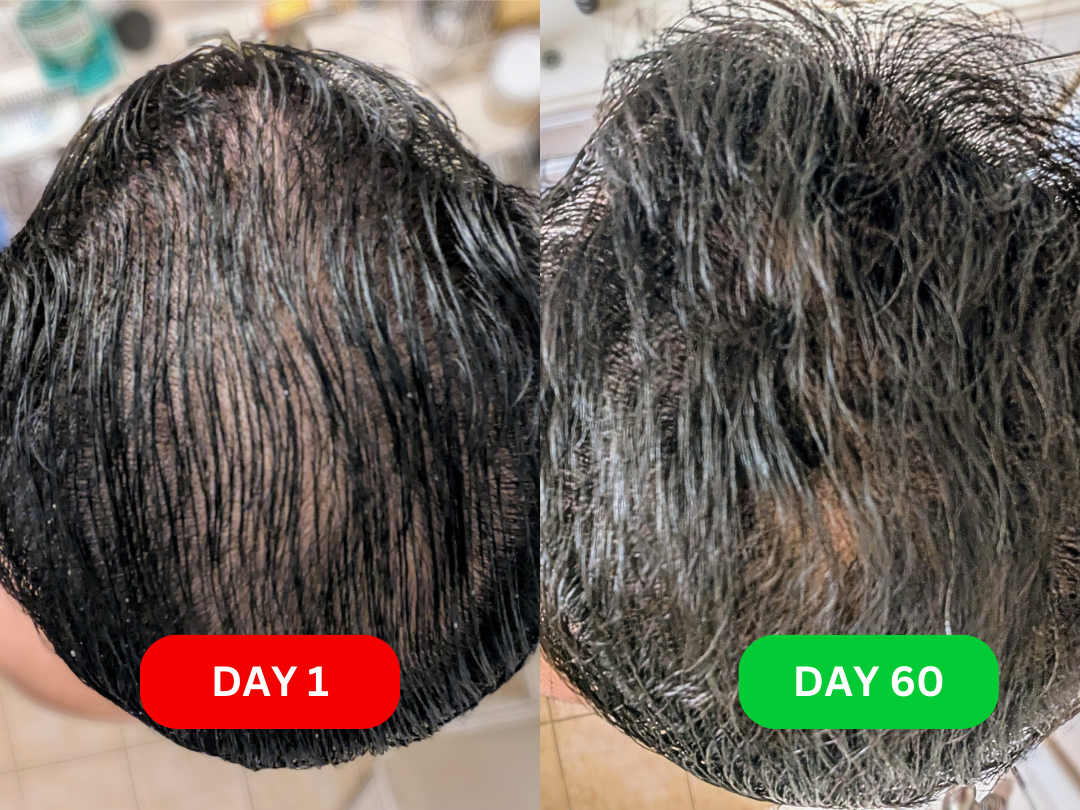
Minoxidil vs Natural Oils: The Complete Breakdown
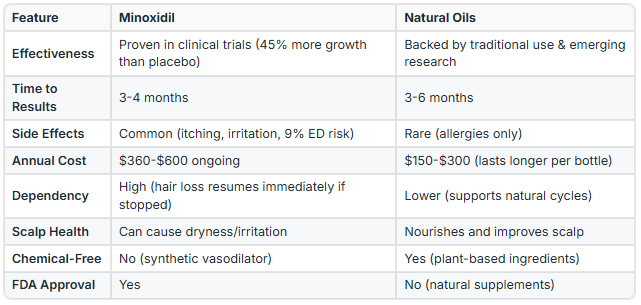
Let's break this down. Here's the honest comparison nobody else is giving you when it comes to Minoxidil vs natural oils:
Minoxidil: The Pros
✅ Proven by science. Studies show it works for a lot of people.
✅ Fast results for some. Some guys see regrowth in 3-4 months.
✅ Widely available. You can buy it at any drugstore.
✅ FDA-approved. It's been tested and approved for hair loss treatment.
Minoxidil: The Cons
❌ Side effects are common. Scalp irritation, itching, redness, headaches, heart palpitations, and yes—some users experience ED.
❌ Lifetime commitment. Stop using it, and you lose the hair you gained.
❌ Expensive over time. $30-$50 a month adds up to $360-$600 per year.
❌ Doesn't work for everyone. Some guys see zero results.
❌ Chemical dependency. Your hair becomes dependent on the drug.
Natural Oils: The Pros
✅ No harsh chemicals. Safe for long-term use.
✅ Minimal to no side effects. (Unless you're allergic to a specific ingredient—always patch test.)
✅ Nourishes your scalp. Improves overall scalp health, not just hair growth.
✅ Works with your body. Supports natural hair growth cycles.
✅ Less dependency. Your hair doesn't "crash" if you miss a day.
✅ Cost-effective long-term. One bottle lasts months.
Natural Oils: The Cons
❌ Takes longer. You're not going to see results overnight. It takes consistency.
❌ Requires patience. Most guys see noticeable results around 3-6 months.
❌ Still requires maintenance. Like any hair growth solution, you need to keep using it to maintain results—though it's less dependent than Minoxidil.
❌ Not as widely studied. There's less clinical research compared to Minoxidil.
Which Hair Growth Solution Is Right For You?
Answer these quick questions to find your best option
How quickly do you need to see results?
The One Thing I Wish I Knew Before Choosing Between Minoxidil vs Natural Oils
Here's the thing I wish someone had told me before I ever bought Minoxidil:
Hair growth is not a sprint. It's a marathon.
Whether you use Minoxidil or natural oils, you need to be consistent. You need to be patient. And you need to take care of your scalp.
But here's the critical difference in the Minoxidil vs natural oils debate:
With Minoxidil, you're forcing your hair to grow. You're using a chemical to stimulate growth. And the moment you stop, your hair says, "Nope, I'm out." It's like putting your hair on life support—it only works as long as you keep the machine running.
With natural oils, you're nourishing your scalp. You're creating an environment where your hair wants to grow. You're working with your body, not against it. It's like planting a garden—you're building healthy soil so things can grow naturally.
And for me, that made all the difference.
Frequently Asked Questions About Minoxidil vs Natural Oils
Does Minoxidil really regrow hair?
Yes, Minoxidil can regrow hair for many people. It works by increasing blood flow to the scalp and extending the growth phase of hair follicles. Clinical studies show it's effective for about 60-70% of users. However, results vary, and it doesn't work for everyone.
What are the major side effects of Minoxidil?
The most common side effects include scalp irritation, itching, dryness, and redness. Some users also experience unwanted facial hair growth, headaches, and in rare cases, heart palpitations or sexual side effects like ED. About 9% of users report sexual dysfunction.
Why don't doctors recommend Minoxidil?
Most doctors do recommend Minoxidil—it's FDA-approved. However, some may caution against it due to potential side effects or if you have certain health conditions (like heart problems). It's also a lifelong commitment, which some people find unsustainable. The Minoxidil vs natural oils conversation often comes up when patients experience side effects.
What happens after 3 months of Minoxidil?
After 3 months, some people start seeing new hair growth, while others may still be in the shedding phase. Full results typically take 6-12 months of consistent use. If you stop using it, you'll lose the hair you gained within 3-6 months.
Can natural oils really help with hair loss?
Yes. Natural oils like rosemary, peppermint, and castor oil have been shown to improve scalp health, increase circulation, and support hair growth. They work more gradually than Minoxidil but without the harsh side effects. When comparing Minoxidil vs natural oils, natural oils offer a gentler, more sustainable approach.
How long does it take to see results with natural oils?
Most people see noticeable results around 3-6 months with consistent use. It's slower than Minoxidil, but the results are more sustainable and come without side effects. The key is consistency—apply 3-4 times per week for best results.
Which is better: Minoxidil vs natural oils?
It depends on your priorities. If you want faster results and don't mind potential side effects or lifelong use, Minoxidil might work for you. If you prefer a natural, side-effect-free approach that works with your body, natural oils are the better choice. For me, after trying both, natural oils won hands down.
The Bottom Line: My Verdict on Minoxidil vs Natural Oils
I'm not anti-Minoxidil. If it works for you and you don't have side effects, great. Keep using it.
But if you're like me—if you tried it and hated the side effects, or if you just don't want to be dependent on a chemical for the rest of your life—then natural oils are the way to go.
The Minoxidil vs natural oils debate isn't about which one is "better" in a vacuum. It's about which one is better for you. For me, the choice was clear.
After years of trial and error, I finally found a formula that works—one that's packed with over 40 natural botanicals, DHT-focused botanicals, and circulation boosters. No harsh chemicals. No side effects. Just healthy, natural hair growth.
That's why I created the Mane Growth Elixir.
If you're ready to try the natural route, I'd love for you to give it a shot. The Mane Growth Elixir was designed exactly for busy dads who want to grow their hair naturally—without the side effects, without the lifetime commitment, and without the guesswork.
Click here to learn more about the Mane Growth Elixir and start your journey to thicker, healthier hair.
Your hair journey starts now. Let's unleash your mane potential together.