
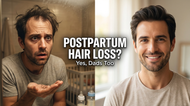
Hair Growth After Postpartum Hair Loss: What New Dads Need to Know (Yes, You Too)
Posted by Stallion on Feb 12th 2026
Wait, Postpartum Hair Loss Isn't Just a Mom Thing?
Here's something nobody tells you when you're preparing for fatherhood: postpartum hair loss can hit dads too.
I know what you're thinking—"Stalin, that's literally called postpartum. I didn't give birth." Fair point. But here's the thing: the stress, sleep deprivation, and hormonal shifts that come with new parenthood? They don't discriminate. And if your partner is dealing with postpartum hair loss, understanding what she's going through isn't just empathetic—it might help you tackle your own hair concerns too.
Whether you're noticing more hair in the shower drain or you're trying to support your partner through her hair loss journey, this guide is for both of you. Because let's be honest—when you're running on three hours of sleep and your fourth coffee of the day, the last thing you need is to watch your hairline retreat faster than your free time.
Does Your Hair Actually Grow Back After Postpartum Hair Loss?
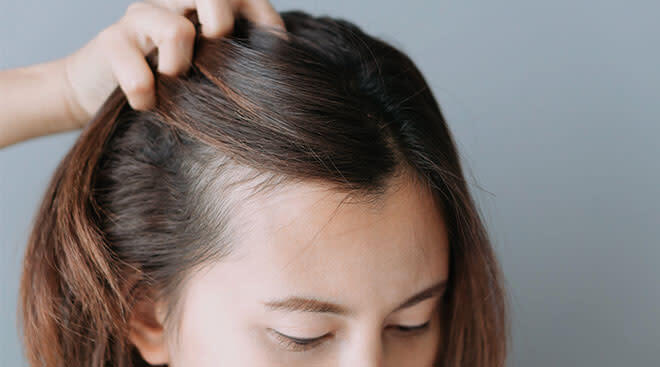
Let's cut straight to the chase: yes, hair typically grows back after postpartum hair loss. But (and there's always a but), the timeline and quality of regrowth depend on several factors.
Here's what's actually happening: During pregnancy, elevated estrogen levels keep hair in the growth phase longer than normal. It's like your hair gets a VIP pass to stick around. But after delivery, those hormone levels plummet faster than your energy on day three of newborn life, and all that hair that was supposed to fall out gradually? It falls out all at once.
This phenomenon is called telogen effluvium, and it usually peaks around 3-4 months postpartum. The good news? For most people, hair growth after postpartum hair loss begins naturally within 6-12 months as hormone levels stabilize.
The Reality Check
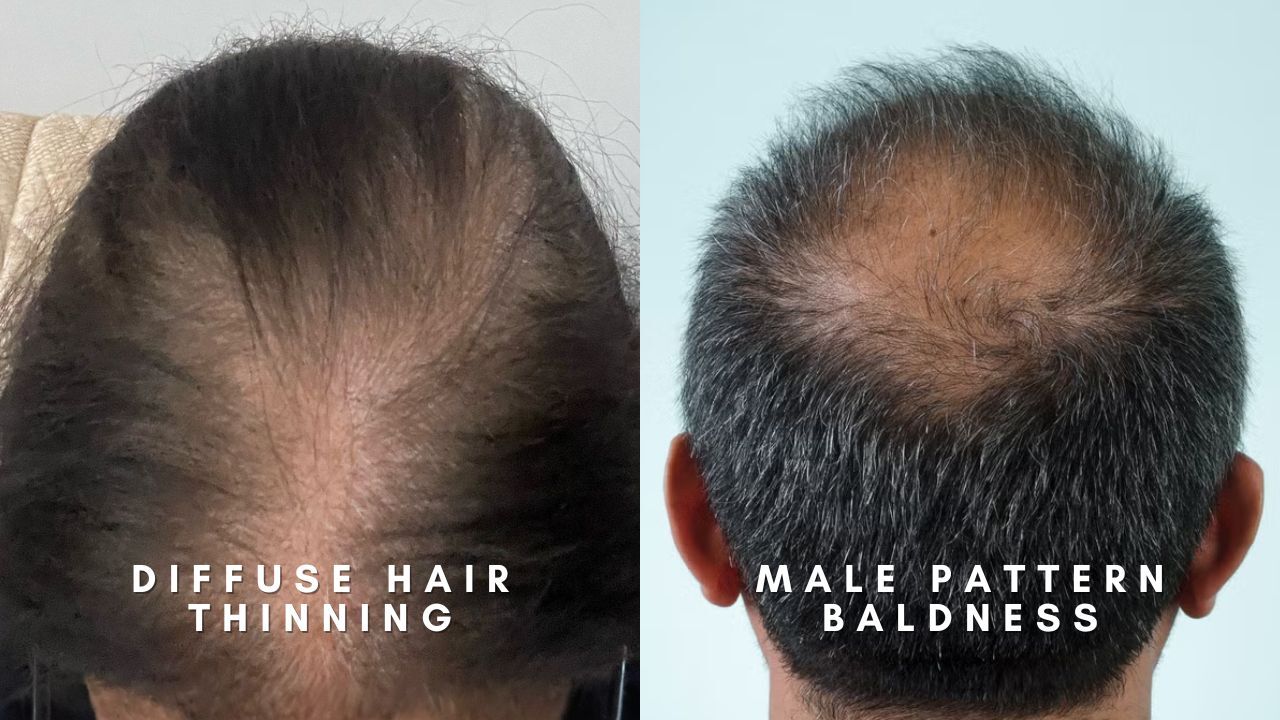
But here's where it gets tricky for us dads. If you're experiencing hair loss during this period, you need to figure out: Is this stress-related telogen effluvium (temporary), or is it androgenetic alopecia (male pattern baldness) that just happened to coincide with becoming a parent?
The difference matters because:
- Telogen effluvium: Temporary, reversible, responds well to stress management and nutrition
- Androgenetic alopecia: Progressive, requires intervention with DHT blockers and growth stimulants
What Vitamins Are Good for Postpartum Hair Loss?
Alright, let's talk nutrition. Because when you're surviving on leftover pizza and whatever you can microwave in under two minutes, your hair follicles are probably screaming for help.
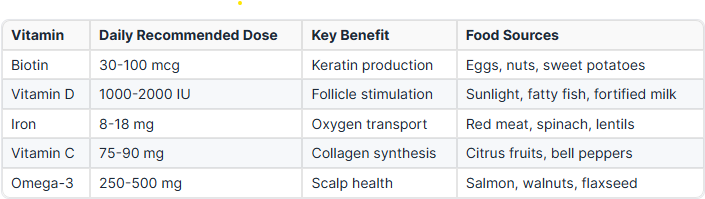
The Essential Vitamin Lineup
Biotin (Vitamin B7)
The poster child of hair vitamins. Does biotin stop postpartum hair loss? Not exactly—but it supports keratin production, which is literally what your hair is made of. Think of it as giving your hair the building blocks it needs to rebuild.
Vitamin D
Here's a stat that'll wake you up faster than your newborn at 3 AM: vitamin D deficiency is linked to hair loss. And guess what? When you're spending all your time indoors with a baby, you're probably not getting enough sun exposure.
Iron
What deficiency causes postpartum hair loss most commonly? Iron. Especially for new moms who experienced blood loss during delivery, but dads aren't immune either—chronic stress depletes iron stores. Low iron means less oxygen to your hair follicles, and suffocated follicles don't grow hair.
Vitamin C
Not just for preventing scurvy (though let's be honest, with your current diet...). Vitamin C helps your body absorb iron and produces collagen, which strengthens hair structure.
Omega-3 Fatty Acids
These anti-inflammatory powerhouses support scalp health and may help reduce hair shedding. Plus, they're good for your brain—and you need all the cognitive function you can get right now.
The Vitamin Reality Check
Here's the truth bomb: vitamins work best when you're actually deficient. Megadosing on biotin when you're not deficient won't suddenly give you Rapunzel hair. It'll just give you expensive urine.
Should I Take Prenatals for Postpartum Hair Loss?
This is where things get interesting. Should you take prenatal vitamins for postpartum hair loss? For moms, absolutely—they're specifically formulated to replenish nutrients depleted during pregnancy and breastfeeding.
For dads? Well, here's the thing: prenatal vitamins aren't magic hair pills. They're just well-balanced multivitamins with extra folic acid and iron. Taking prenatal vitamins help with postpartum hair loss because they address nutritional gaps, not because they contain some secret hair-growing ingredient.
The Dad Perspective:
If you're a new dad dealing with hair loss, a quality men's multivitamin will serve you better than stealing your partner's prenatals. Why? Because men's formulations account for different nutritional needs—like higher zinc requirements and lower iron needs (unless you're deficient).
That said, if you're both struggling with hair loss, addressing nutrition together makes sense. Just maybe get your own bottle.
Which Shampoo Is Best for Postpartum Hair Loss?
Let's talk about the elephant in the bathroom: shampoo isn't going to single-handedly reverse hair loss. I know, I know—the marketing promises are tempting. But here's what a good shampoo can do:
What to Look For:
DHT-Blocking Ingredients
- Saw palmetto
- Pumpkin seed oil
- Rosemary oil
- Caffeine
These ingredients can help reduce DHT (dihydrotestosterone) on the scalp, which is the hormone responsible for shrinking hair follicles in androgenetic alopecia.
Scalp-Nourishing Components
- Biotin
- Niacin (B3)
- Panthenol (B5)
- Keratin
What to Avoid:
- Sulfates (they strip natural oils)
- Silicones (they create buildup)
- Parabens (potential hormone disruptors)
- Artificial fragrances
The Real Talk
The best shampoo for postpartum hair loss is one that keeps your scalp healthy and doesn't cause additional damage. Think of it as creating the right environment for growth, not forcing growth itself.
When I was developing the Mane Growth Elixir, I realized that topical treatments work best when paired with a clean, healthy scalp. You can't grow a garden in contaminated soil, right? Same principle applies to your head.
Which Oil Is Best for Postpartum Hair Loss?
Now we're getting into my territory. Oils have been used for hair growth for centuries, and there's actually solid science behind some of them.
The Heavy Hitters:
Rosemary Oil
Studies show rosemary oil can be as effective as minoxidil (Rogaine) for promoting hair growth. It increases blood circulation to the scalp and has anti-inflammatory properties. This is why it's a key ingredient in our Mane Growth Elixir.
Peppermint Oil
Stimulates blood flow and can increase the number of hair follicles in the growth phase. Plus, that tingling sensation? That's increased circulation doing its job.
Castor Oil
Rich in ricinoleic acid, which has anti-inflammatory properties and may help balance scalp pH. It's thick, so it's best mixed with lighter carrier oils.
Argan Oil
Packed with vitamin E and fatty acids that nourish the scalp and hair shaft. Great for preventing breakage during the regrowth phase.
Black Seed Oil
Contains thymoquinone, which has been shown to promote hair growth and reduce inflammation.
The Application Method Matters
Here's what most people get wrong: they slap oil on their hair and call it a day. But for hair growth after postpartum hair loss, you need to:
- Apply to the scalp, not just the hair
- Massage it in for 5-10 minutes to increase blood flow
- Leave it on for at least 30 minutes (or overnight)
- Be consistent—once or twice a week minimum
The Mane Growth Elixir combines over 40 of these botanical ingredients, including Bhringraj, Stinging Nettle, and Saw Palmetto—all natural DHT-focused botanicals that work synergistically. I created it after trying individual oils and realizing that a comprehensive blend delivered better results than any single ingredient.

Does Cutting Hair Help Postpartum Hair Loss?
Short answer: No, cutting your hair doesn't help postpartum hair loss.
This is one of those persistent myths that just won't die. Cutting your hair doesn't make it grow faster or thicker. Hair growth happens at the follicle level, beneath your scalp. Your hairstylist's scissors can't reach down there (thankfully).
So Why Do People Think It Helps?
Optical Illusion: Shorter hair often looks thicker and healthier because:
- Split ends are removed
- There's less weight pulling on the follicles
- Damaged ends are gone
- The hair appears more voluminous
Psychological Boost: Sometimes a fresh cut gives you a confidence boost, which reduces stress, which can indirectly help with stress-related hair loss. But that's correlation, not causation.
Should You Cut It Anyway?
If your hair is damaged, thin, and making you feel worse about yourself? Sure, get a cut. A good stylist can create the illusion of thickness and give you a style that works with your current hair density. Just don't expect it to magically accelerate regrowth.
Does Minoxidil Work for Postpartum Hair Loss?
Alright, let's talk about the big guns: minoxidil (Rogaine). Does it work for postpartum hair loss?
The Science: Minoxidil is FDA-approved for hair loss and works by:
- Increasing blood flow to hair follicles
- Extending the growth phase of hair
- Enlarging miniaturized follicles
For Postpartum Hair Loss Specifically: Here's where it gets nuanced. If the hair loss is purely hormonal and temporary (classic postpartum telogen effluvium), minoxidil might be overkill. Your hair will likely recover on its own within 6-12 months.
However, if you're dealing with:
- Prolonged hair loss beyond 12 months
- Pattern baldness that coincided with new parenthood
- Significant thinning that's not recovering
Then minoxidil might be worth considering.
The Catch
For nursing mothers: Minoxidil can pass into breast milk, so it's generally not recommended during breastfeeding.
For dads: If you're experiencing androgenetic alopecia, minoxidil can be effective, but you need to use it consistently. Miss a few days? Your progress stalls. Stop using it? The hair you gained falls out.
The commitment: You're looking at 4-6 months before seeing results, and it's a lifelong commitment if you want to maintain those results.
The Natural Alternative
This is why I developed the Mane Growth Elixir with ingredients like Ginkgo Biloba and Chili Oil—they increase blood circulation naturally without the commitment and potential side effects of minoxidil. It's not as aggressive, but for many guys dealing with early-stage thinning or stress-related loss, it's enough to tip the scales back toward growth.
What Are Signs of Postpartum Alopecia?
Let's get clear on what we're actually dealing with. Postpartum alopecia (or telogen effluvium) has specific signs:
Classic Symptoms:
Timing
- Begins 2-4 months after delivery
- Peaks around 3-6 months postpartum
- Typically resolves by 12 months
Pattern
- Diffuse thinning (all over, not just the hairline)
- Noticeable shedding when washing or brushing
- Widening part line
- More scalp visibility
- Thinner ponytail (for those with longer hair)
What It's NOT
- Bald patches (that's alopecia areata)
- Itchy, scaly scalp (that's a scalp condition)
- Sudden overnight loss (that's something else entirely)
When to Worry
See a doctor if you experience:
- Hair loss continuing beyond 12 months postpartum
- Bald patches or circular areas of loss
- Scalp pain, redness, or inflammation
- Other symptoms like fatigue, weight changes, or mood issues (could indicate thyroid problems)
Does Breastfeeding Cause Hair Loss?
This is a question that comes up constantly, and the answer is: sort of, but not directly.
Breastfeeding doesn't cause hair loss, but it can prolong the recovery period. Here's why:
The Mechanism:
Hormonal Continuation: Breastfeeding keeps prolactin levels elevated, which can delay the return of normal estrogen levels. Since estrogen is protective for hair, this can extend the shedding phase.
Nutritional Depletion: Breastfeeding requires significant nutritional resources. If a nursing mother isn't getting adequate:
- Protein
- Iron
- Zinc
- B vitamins
- Omega-3s
Then her body prioritizes the baby's needs over hair growth. Hair follicles are non-essential from a survival standpoint, so they're first in line to get shortchanged.
For Dads: The Indirect Connection
You're not breastfeeding (obviously), but if you're the primary support person for someone who is, your stress levels, sleep deprivation, and nutritional habits are probably taking a similar hit. And all of those factors impact hair health.
The Dad's Action Plan: Supporting Hair Growth After Postpartum Hair Loss
Alright, let's bring this all together with a practical game plan—whether you're supporting your partner or dealing with your own hair loss.
For Both Parents:
1. Nutrition First
- Prioritize protein at every meal (hair is made of protein)
- Take a quality multivitamin
- Consider iron supplementation if deficient (get tested first)
- Stay hydrated (boring but essential)
2. Stress Management
- Sleep when you can (I know, easier said than done)
- Share nighttime duties
- Ask for help—seriously, your hair will thank you
- Consider meditation or even just 10 minutes of quiet time
3. Scalp Care
- Use a gentle, sulfate-free shampoo
- Massage your scalp regularly to increase blood flow
- Apply growth-promoting oils 2-3 times per week
- Avoid tight hairstyles that create tension
4. Be Patient
- Hair grows about half an inch per month
- You won't see results overnight
- Consistency beats intensity every time
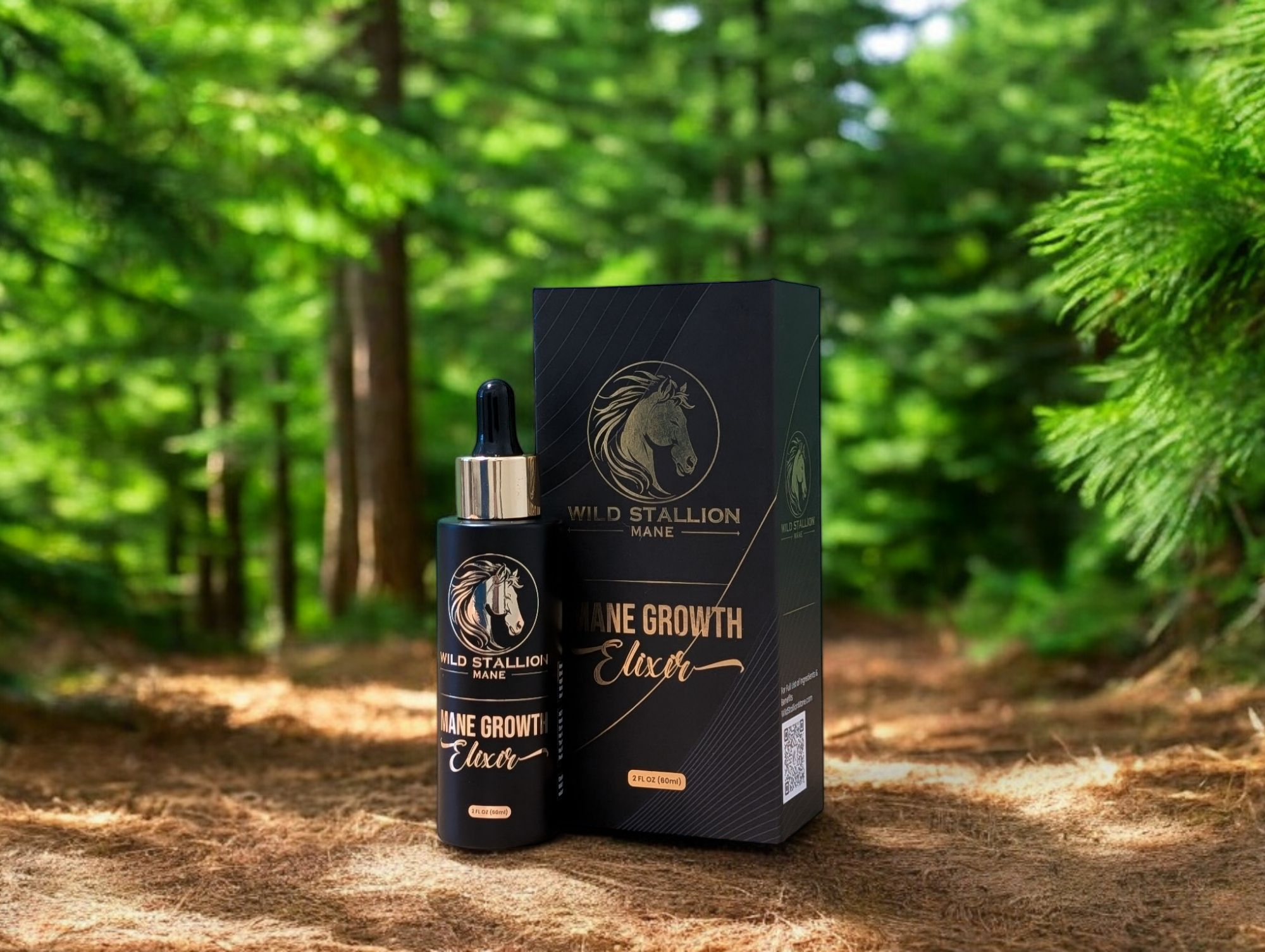
The Mane Growth Elixir Approach
When I created the Mane Growth Elixir, I was thinking about guys like us—busy dads who don't have time for complicated routines. It combines over 40 natural ingredients including:
- DHT-focused botanicals (Saw Palmetto, Pumpkin Seed Oil, Stinging Nettle)
- Circulation boosters (Ginkgo Biloba, Peppermint, Chili Oil)
- Scalp nourishers (Argan, Aloe, Castor Oil)
- Follicle strengtheners (Biotin, Bhringraj, Rosemary)
The idea is simple: apply it to your scalp, massage it in for a few minutes, and let the botanicals do their work. No harsh chemicals, no prescription required, just natural ingredients that have been used for centuries.
The Timeline: What to Expect
Let's set realistic expectations for hair growth after postpartum hair loss:
Months 1-3: Peak shedding phase. This is when it looks worst. Stay the course.
Months 4-6: Shedding slows down. You might notice baby hairs (short, wispy new growth) along your hairline.
Months 6-9: Visible regrowth begins. Those baby hairs start getting longer.
Months 9-12: Hair density improves noticeably. You're getting back to your baseline.
12+ Months: Full recovery for most people. If you're not seeing improvement by now, consult a dermatologist.
Tracking Progress
Take photos every month in the same lighting, same angle. Trust me, when you're looking at your hair every day, you won't notice the gradual improvement. Photos don't lie.
You've Got This (And So Does Your Hair)
Look, becoming a parent is hard enough without watching your hair abandon ship. But here's the good news: hair growth after postpartum hair loss is not only possible—it's probable.
Whether you're supporting your partner through her postpartum journey or dealing with your own stress-related shedding, the fundamentals remain the same:
- Nourish your body
- Support your scalp
- Manage your stress
- Be consistent
- Give it time
And remember, you're not alone in this. Millions of parents deal with postpartum hair changes every year. The difference between those who recover and those who don't often comes down to taking action rather than just hoping it gets better.
Ready to Take Action?
If you're ready to give your hair the support it needs, the Mane Growth Elixir was designed exactly for busy dads who want to grow their hair naturally without complicated routines or harsh chemicals. It's the same formula I use on my own hair, and it's backed by our 90-day money-back guarantee.
Learn more about Mane Growth Elixir here →
And if you want more tips, tricks, and real talk about hair growth, sign up for our newsletter. We'll send you practical advice without the BS—just like this article.
Your hair grew once. It can grow again. Let's make it happen.