

The 7 Best Foods for Hair Growth That Actually Work (Backed by Science)
Posted by Stallion on Jan 15th 2026
Look, I'm going to level with you. Most guys think hair loss starts at the scalp—maybe it's genetics, stress, or just bad luck. But here's the truth bomb: your hair loss might actually be starting in your kitchen.
I learned this the hard way. A few years back, I was doing everything "right" for my hair—using all the fancy products, following every routine—but my hairline kept retreating like it had somewhere better to be. Then I realized something obvious: I was trying to build a house without any bricks. My body didn't have the raw materials it needed to actually grow hair.
That's when I dove deep into the science of nutrition and hair growth. And what I found changed everything. Today, I'm breaking down the 7 best foods for hair growth that are actually backed by research—not just some wellness blogger's hot take.
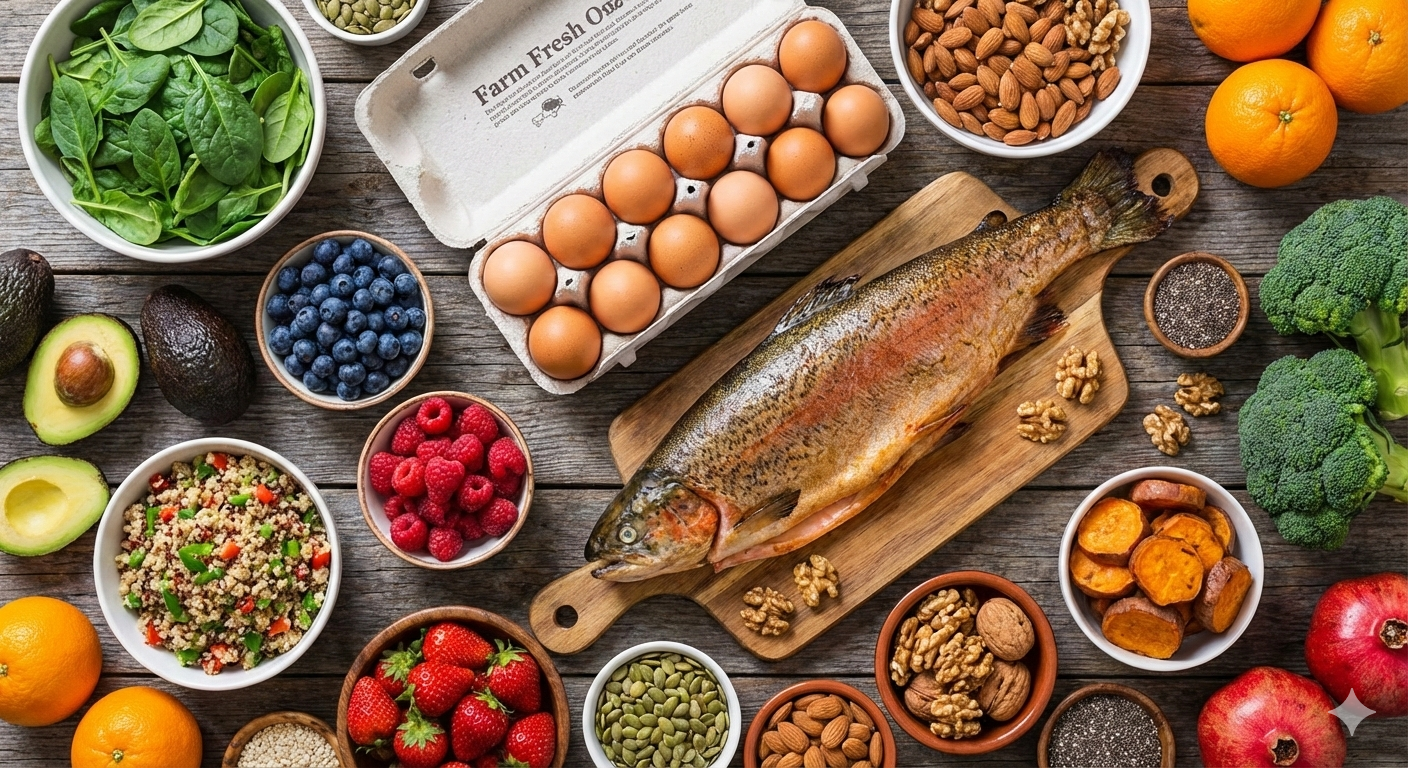
Why Food Matters More Than You Think
Here's something most guys don't realize: your hair is made almost entirely of a protein called keratin. If you're not eating enough protein, your body literally can't manufacture the building blocks for hair. It's like trying to bake a cake without flour—you're just not going to get there.
When your body doesn't get enough nutrients, it goes into survival mode. It says, "Alright, we've got limited resources here. Let's keep the heart and brain running, but that hair factory? Shut it down." And just like that, your follicles go dormant.
The good news? You can turn this around. Let's get into the foods that'll give your hair what it's been begging for.
1. Eggs: The Heavyweight Champion of Hair Growth
If there's one food you should be eating regularly for hair growth, it's eggs. I know, I know—eggs seem too simple to be the answer. But hear me out.
Eggs are absolutely loaded with two things your hair desperately needs: protein and biotin. Remember, your hair is made of keratin, which is a protein. One large egg gives you about 6 grams of high-quality protein and roughly 10 micrograms of biotin—a B vitamin that's essential for keratin production.
Research shows that biotin deficiency can lead to hair loss, and while true deficiency is rare if you're eating a balanced diet, getting consistent biotin from real food sources helps keep your hair strong and reduces breakage.
But here's the kicker: eggs also pack zinc and selenium, both critical for scalp health. I eat eggs three to four times a week—scrambled, fried, hard-boiled, doesn't matter. Just get them in.
Pro tip: Don't worry too much about the cholesterol thing. Recent studies show that for most people, eating eggs doesn't negatively impact heart health. But obviously, check with your doctor if you have concerns.
2. Fatty Fish: Omega-3 Powerhouses
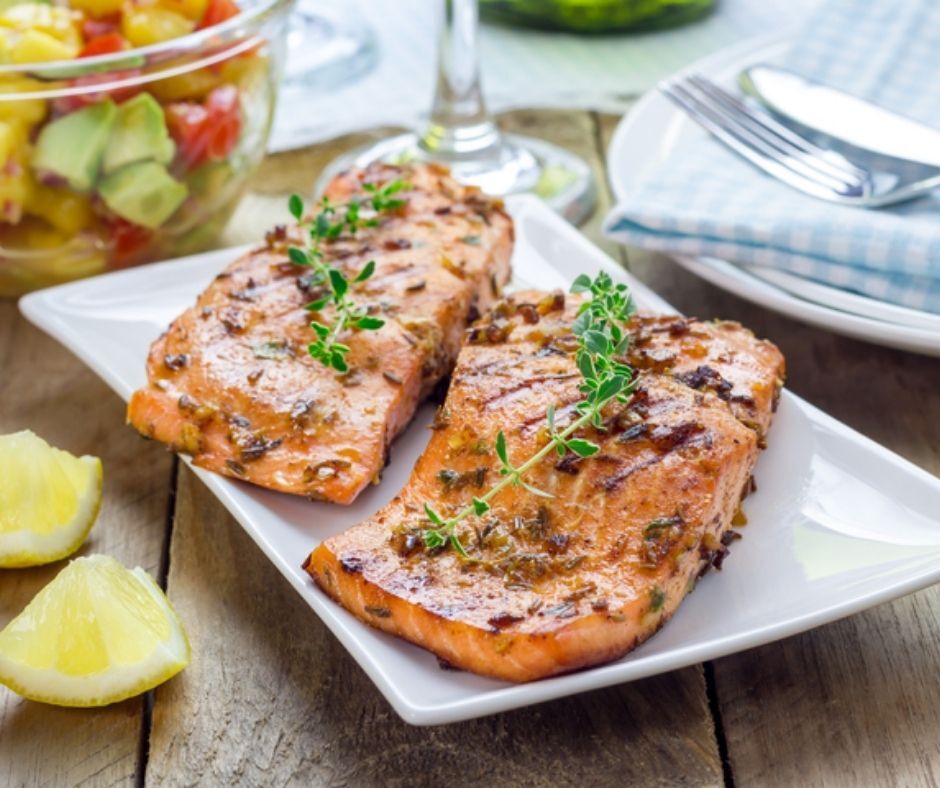
Salmon, mackerel, sardines—these omega-3 rich fish are hands-down some of the best foods for hair growth. And your grandma was right when she told you to eat them.
First off, fatty fish delivers high-quality protein. But the real MVP here is omega-3 fatty acids. These do three critical things:
- Keep your scalp hydrated
- Reduce inflammation (which can damage follicles)
- Promote healthy hair growth
A study of 120 women who took supplements with omega-3 and omega-6 fatty acids saw significant reductions in hair loss and increases in hair density. But you don't need expensive supplements—just eat the fish.
Salmon is also packed with vitamin D3 and B vitamins, both of which support strong, healthy hair. And here's something interesting: vitamin D3 deficiency has been linked to hair loss in multiple studies. If you work indoors all day and don't get much sun, low vitamin D could be part of your problem.
I try to eat fatty fish at least twice a week. Grilled salmon with some veggies? Chef's kiss. Easy to make, tastes great, and it's doing serious work for your hair behind the scenes.
3. Spinach and Dark Leafy Greens: The Iron Giants
I'll be honest—I used to hate spinach as a kid. Thought Popeye was lying to me. But once I learned what it actually does for your body and hair, I started eating it all the time. Now I throw it in my morning eggs pretty regularly.
Spinach is loaded with iron, folate, vitamin A, and vitamin C—all essential for hair growth. Let's start with iron. Iron helps your red blood cells carry oxygen throughout your body, including to your hair follicles. Without oxygen, your follicles basically starve and can't produce new hair.
Iron deficiency anemia is one of the most common causes of hair loss, especially in people who are stressed or not eating enough nutrient-dense foods.
One cup of spinach gives you about 20% of your daily vitamin A needs. Vitamin A helps your scalp produce sebum—that natural oil that keeps your hair moisturized and healthy. But here's the catch: too much vitamin A can actually cause hair loss. So don't go crazy with supplements. Just eat your greens and you'll be fine.
I throw spinach into everything—smoothies, omelets, salads, even pasta. It's one of the easiest ways to boost your nutrient intake without even thinking about it.
4. Berries: Antioxidant Superstars
Strawberries, blueberries, raspberries—basically any berry you can get your hands on. Now, berries might not seem like a "manly" food (whatever that means), but they're loaded with vitamin C and antioxidants, both of which are game-changers for your hair.
Vitamin C does two major things:
- Helps your body produce collagen – Collagen is a protein that strengthens your hair and prevents breakage. Think of it like the rebar inside concrete.
- Helps your body absorb iron – And we just talked about how critical iron is for hair growth.
Here's a crazy stat: one cup of strawberries gives you up to 113% of your daily vitamin C needs. That's more than an orange.
But the real magic in berries is the antioxidants. Antioxidants protect your hair follicles from damage caused by free radicals—those unstable molecules that come from stress, pollution, UV rays, and even the food you eat. When free radicals attack your follicles, they weaken them and slow down growth.
I throw a handful of berries into my morning smoothie or top my yogurt with them. Easy, delicious, and your hair will thank you.
5. Nuts and Seeds: Nutrient-Dense Powerhouses
Almonds, walnuts, cashews, flax seeds, chia seeds, sunflower seeds—all of them are absolute powerhouses for hair growth. And here's why.
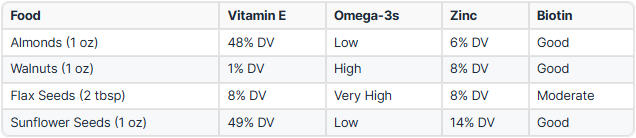
Nuts and seeds are packed with omega-3 fatty acids, vitamin E, zinc, and biotin. All of these nutrients nourish your scalp, reduce inflammation, and support your hair growth cycle.
Let me give you a specific example: one ounce of almonds (that's just a handful) gives you 48% of your daily vitamin E needs. Vitamin E is an antioxidant that protects your hair follicles from oxidative stress, and it also improves blood circulation to your scalp—meaning more nutrients and oxygen get to your follicles.
There was even a study where people with hair loss took a vitamin E supplement for eight months and saw a 34.5% increase in hair growth. That's huge.
Walnuts are great because they're one of the few plant-based sources of omega-3 fatty acids. And flax seeds? Two tablespoons of ground flax seeds gives you almost 6 grams of omega-3s.
I keep a bag of mixed nuts in my desk. Easiest snack in the world, and it's doing serious work for your hair.
6. Oysters and Shrimp: Zinc Champions
Okay, I know oysters aren't exactly everyday food for most guys. But if you can get your hands on them, they're one of the best sources of zinc on the planet. One medium oyster gives you about 96% of your daily zinc needs. That's insane.
Zinc is critical for the hair growth and repair cycle. It keeps your hair follicles healthy and functioning properly. When you're deficient in zinc, it can lead to a type of hair loss called telogen effluvium—basically when a bunch of your hair follicles go into resting phase all at once and you start shedding like crazy.
The good news? Telogen effluvium caused by zinc deficiency is reversible. Get your zinc levels back up and your hair will start growing again.
Shrimp is also a great source of zinc, along with protein and B vitamins.
Word of caution: Too much zinc can actually be toxic. So don't go crazy with supplements. Get your zinc from food and you'll be golden.
7. Whole Grains: The Sustained Energy Source
Oats, brown rice, whole wheat bread—these are the foods that give you sustained energy and support your hair at the same time.
Whole grains are packed with biotin, iron, and B vitamins, all of which support the hair growth cycle. Here's the thing: a lot of guys skip carbs because they think carbs are bad. But your body needs carbs for energy. And if you're not eating enough, your body goes into survival mode and starts shutting down non-essential functions—like growing hair.
Whole grains give you slow-burning energy that keeps your body functioning at its best. And the biotin and iron in whole grains directly support hair health.
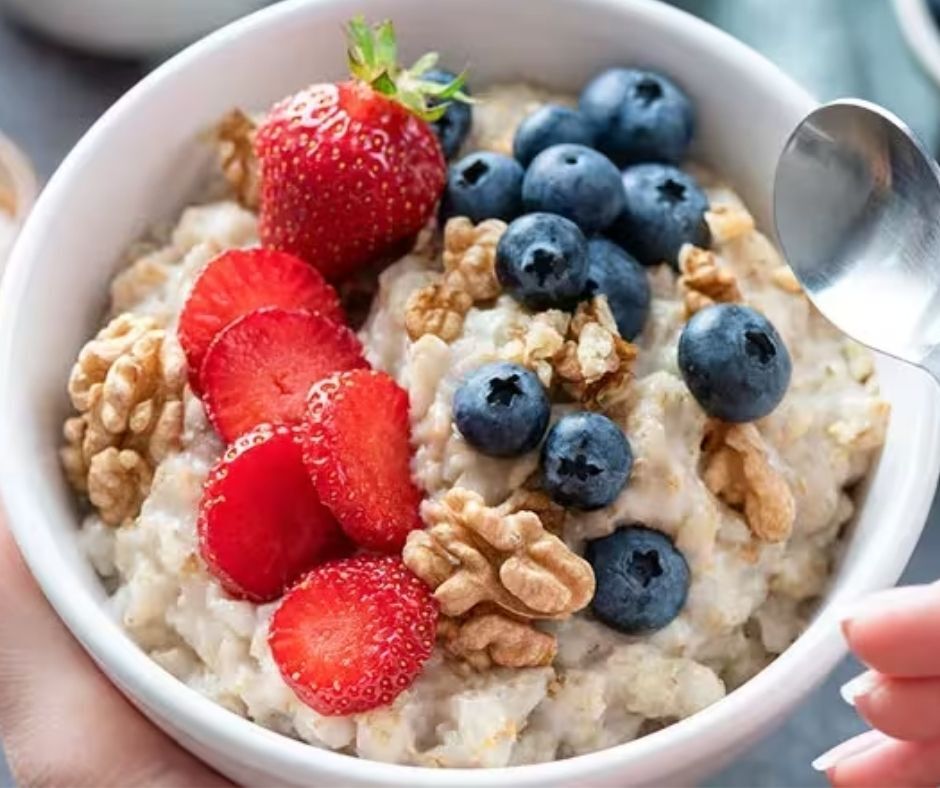
I eat oatmeal a few times a week. I'll throw some berries and nuts on top, and boom—I just hit four of the seven foods on this list in one meal.
Track Your Hair Growth Foods
Check off the foods you ate today and build your streak
What About Foods That Cause Hair Loss?
While we're talking about the best foods for hair growth, it's worth mentioning what to avoid. Certain foods can actually contribute to hair loss:
- Excessive sugar – Can lead to insulin spikes and hormonal imbalances that shrink hair follicles
- Fried foods – Cause inflammation and can clog follicles
- High-mercury fish – Mercury poisoning has been linked to hair loss
- Excessive alcohol – Leads to dehydration and depletes essential nutrients like zinc and iron
Balance is key. You don't have to be perfect, but being mindful of what you're putting in your body makes a difference.
The Real Talk: Consistency Is Everything
Here's the truth nobody wants to hear: you're not going to eat a salmon dinner and wake up the next morning with a full head of hair. Hair growth is a slow game. Consistency is everything.
In the first 2-4 weeks of eating these foods regularly, you might notice subtle changes—your scalp feels more hydrated, less breakage. That's because the nutrients are starting to work their way into your system.
At the 2-3 month mark, things get exciting. Your hair will look and feel stronger and healthier overall. You'll likely see a reduction in shedding, and your hair might even appear thicker.
But the real magic happens when you stick with it long-term. After 6 months of consistently incorporating these best foods for hair growth into your diet, that's when you'll see noticeable differences in length and thickness.
My Personal Journey (And Why I Created the Mane Growth Elixir)
When I started taking my hair seriously, I realized that nutrition was only part of the equation. I was eating all the right foods, but I still needed something to support my hair from the outside.
That's why I created the Mane Growth Elixir. After trying countless products that either didn't work or were loaded with harsh chemicals, I decided to formulate something natural—something that combined the power of botanicals like rosemary, pumpkin seed oil, saw palmetto, and black seed oil.
Think of it this way: food fuels your hair from within. The Elixir supports it from the outside. Together, that's when you see real results.
The best part? It's all-natural. No harsh chemicals, no side effects—just premium ingredients that actually work. And we back it with a 90-day money-back guarantee because I want you to see results for yourself.
Frequently Asked Questions
What food helps hair grow faster?
Eggs, fatty fish like salmon, and spinach are among the best foods to help hair grow faster. They provide essential nutrients like protein, biotin, omega-3s, and iron that your hair needs to grow strong and healthy.
Which fruit is best for hair growth?
Berries—especially strawberries, blueberries, and raspberries—are the best fruits for hair growth. They're loaded with vitamin C and antioxidants that protect hair follicles from damage and help your body produce collagen.
What can I drink to regrow hair?
While there's no magic drink, staying hydrated with water is essential. You can also incorporate smoothies with berries, spinach, and flax seeds to get hair-healthy nutrients in liquid form.
What stimulates hair growth best?
A combination of proper nutrition (the 7 foods listed above), scalp stimulation through massage, and using natural topical treatments like the Mane Growth Elixir creates the best environment for hair growth.
The Bottom Line
You don't have to eat all seven of these best foods for hair growth every single day. But if you start incorporating a few of them into your weekly routine, you're going to see a difference. Your hair will feel stronger, you'll notice less shedding, and over time, you might even start seeing new growth.
Remember: hair growth takes time. This is the long game. But with consistency, the right nutrition, and a little help from natural products designed specifically for hair growth, you can absolutely turn things around.
So next time you're stressing about a bad hair day, remember—your hair is more than just a style. It's a reflection of how you're treating your body from the inside out.
Ready to supercharge your hair growth journey? The Mane Growth Elixir was designed exactly for busy dads who want to grow their hair naturally without harsh chemicals or complicated routines. Learn more and grab yours here.