

Stress and Hair Loss: The Hidden Connection You Need to Know About
Posted by Stallion on Dec 8th 2025
Look, I get it. You're juggling work deadlines, kids who won't sleep, bills that keep piling up, and maybe a relationship that needs more attention than you've got energy for. And then one morning, you're in the shower, and you look down—there's more hair in your hands than usual. A lot more.
At first, you think, "Nah, it's just a bad day." But then it keeps happening. Your pillow's got hair on it. Your bathroom sink looks like a barber shop floor. And your wife or your kids start asking questions you don't want to answer.
"Daddy, why is your hair going away?"
Yeah. That one hits different.
Here's the thing most guys don't know: stress doesn't just mess with your mood—it messes with your hormones, your sleep, and even your follicles. And once you understand that connection, everything about hair growth makes more sense.
The "Oh Crap" Moment: When You First Notice It
You might be wondering if you're imagining things. Spoiler alert: you're not. Stress-induced hair loss is real, and it's more common than you think.
Losing about 100 hairs a day? That's normal. Your hair naturally goes through cycles—some growing, some resting, some falling out to make room for new growth. But when stress kicks in, you can lose 300 or more hairs every single day.
And here's the sneaky part: it doesn't happen right away.
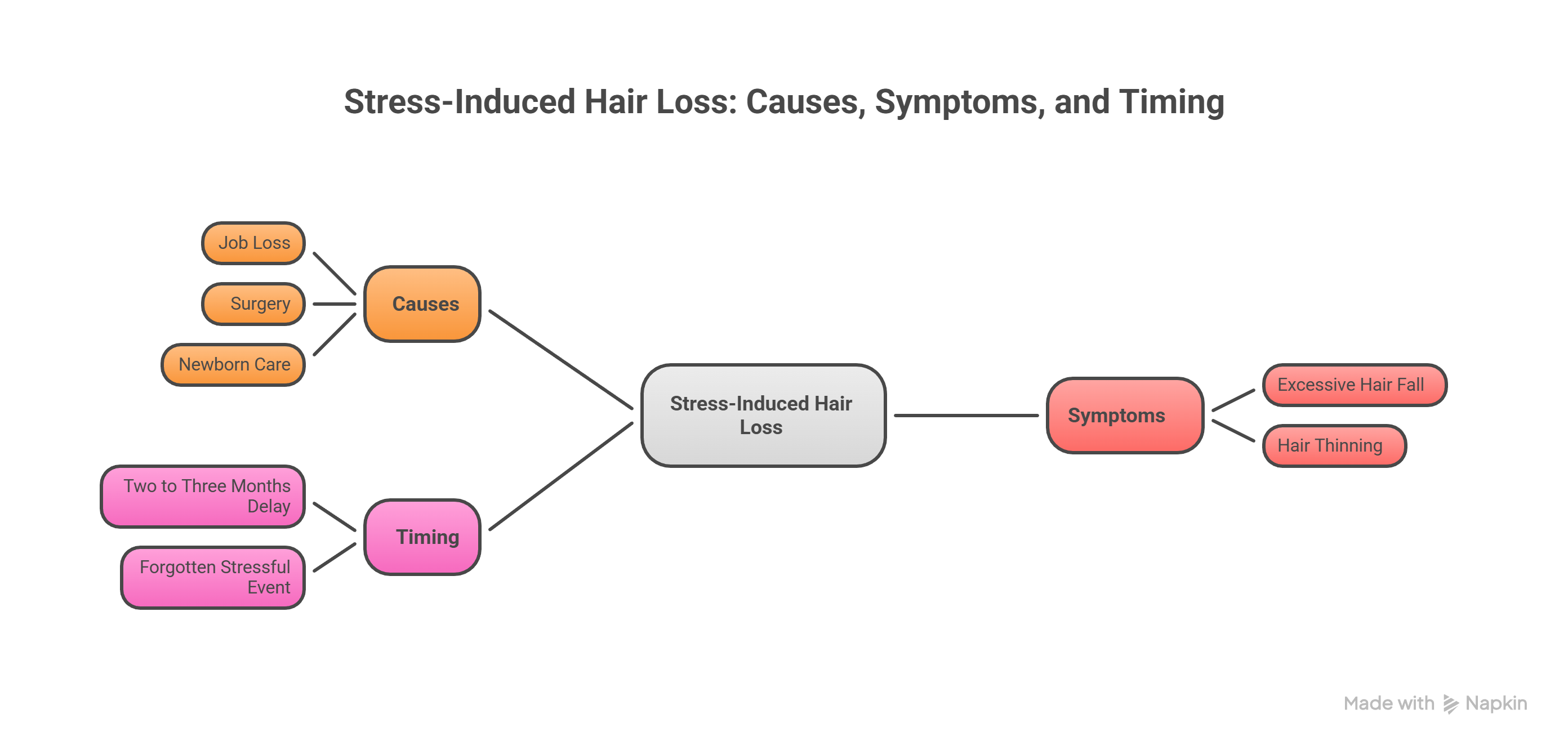
You go through something stressful—maybe you got laid off, had surgery, welcomed your second kid and haven't slept in three months—and then two to three months later, boom. Your hair starts falling out like crazy. By that time, you've forgotten about the stressful event, so you're sitting there thinking, "What the heck is wrong with me?"
Nothing's wrong with you, man. Your body's just responding to what happened months ago.
What's Actually Happening Under Your Scalp
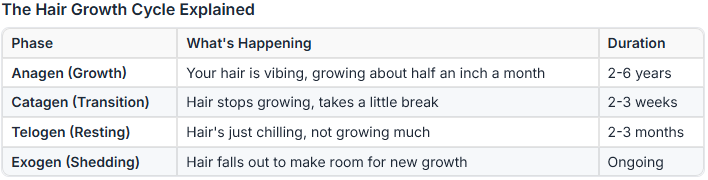
Let's talk about what's going on under the hood. Your hair grows in cycles—think of it like seasons.
Now, when you get stressed, your body pumps out a hormone called cortisol. Cortisol is like your body's alarm system—it's supposed to help you deal with danger. But here's the problem: your body can't tell the difference between "I'm being chased by a bear" and "I have 47 unread emails and my toddler just drew on the wall with permanent marker."
(Yeah, I'm still mad about that one.)
So it treats both the same way. Alarm bells everywhere.
How Cortisol Attacks Your Hair
When cortisol levels stay high for too long, it tells your hair follicles, "Hey, we don't have energy for hair right now. Shut it down." A bunch of your hairs that were supposed to keep growing get shoved into the resting phase early. And two to three months later, they all fall out at once.
Researchers at Harvard actually figured out the exact pathway for this. When stress hormones spike, they block a molecule called GAS6. And GAS6 is like the "wake up and grow" signal for your hair follicles. No GAS6? Your follicles stay asleep. And sleeping follicles don't make hair.
[Insert image: Diagram showing cortisol blocking GAS6 molecule in hair follicle]
Is It Stress or Male Pattern Baldness? (Or Both?)
Before we go any further, we need to figure out what type of hair loss you're actually dealing with. Because stress-related hair loss looks different than male pattern baldness.
Stress Hair Loss (Telogen Effluvium)
- Pattern: All over your head—it's diffuse
- Appearance: Overall thinning, not specific spots
- Timing: Starts 2-3 months after a stressful event
- Reversibility: Usually temporary
Male Pattern Baldness (Androgenetic Alopecia)
- Pattern: Classic M-shaped hairline, temples receding, crown thinning
- Appearance: Specific areas of loss
- Timing: Gradual over years
- Reversibility: Permanent without intervention
Here's a quick self-check you can do right now:
1. Did something stressful happen 2-3 months before your hair started falling out?
New job? Lost a job? New baby? Health scare? Major life change? If yes, that's a clue.
2. Is your hair falling out evenly all over your head, or mostly at the temples and crown?
If it's all over, that's more likely stress. If it's patterned, that's more likely genetics.
3. When you gently pull on a small section of hair, do more than a few strands come out easily?
If yes, you might be in the active shedding phase of telogen effluvium.
Now here's the tricky part: you can have both at the same time. Stress can make male pattern baldness worse. It's like pouring gasoline on a fire. So even if you've got some genetic thinning going on, getting your stress under control is still going to help.
Quick Self-Assessment: What Type of Hair Loss Do You Have?
Answer these 5 quick questions to get personalized insights
The Good News (Yes, There Is Some)
This type of hair loss—called telogen effluvium—is usually temporary. Once you get the stress under control and your cortisol levels drop, your hair can start growing back.
The bad news? It takes time. We're talking 3 to 6 months before the shedding stops, and another 6 to 9 months before you see real density coming back.
So if you're expecting a miracle overnight, I'm gonna save you some disappointment right now. That's not how this works. But if you're willing to put in the work and be consistent, you can absolutely turn this around.
[Insert image: Before and after photos showing hair regrowth timeline]
What You Can Actually Do About It
You can use all the oils and serums in the world, but if you're still stressed out of your mind, you're fighting an uphill battle. So let's talk about the stuff that actually moves the needle.
1. Improve Blood Flow to Your Scalp
Your hair follicles need oxygen and nutrients to grow, and they get that through blood. When you're stressed, blood flow to your scalp actually decreases. Your body's like, "We need blood for the important stuff—heart, lungs, brain. Hair? That's a luxury."
What to do:
- Scalp massage: Five minutes a day. That's it. You can do it in the shower, while watching TV, or before bed. Use your fingertips (not your nails) and massage in small circles all over your scalp.
- Natural vasodilators: Ingredients like peppermint oil and rosemary oil open up your blood vessels and get things flowing.
When I was developing the Mane Growth Elixir, I made sure to include both peppermint and rosemary for exactly this reason. After years of trying different solutions and seeing what actually worked, I realized that blood flow was non-negotiable.
2. Block the Hormones That Shrink Your Follicles
If you've got male pattern baldness mixed in with stress hair loss, you've got another problem: DHT (dihydrotestosterone). DHT is a hormone that shrinks your hair follicles over time. It's like kryptonite for your hair.
The pharmaceutical approach uses drugs like finasteride or dutasteride to block DHT. And look, those work for some guys, but they also come with side effects that a lot of guys don't want to deal with.
The natural approach:
- Saw palmetto: A plant-based DHT blocker
- Pumpkin seed oil: Another natural DHT inhibitor
- Stinging nettle: Helps regulate hormones
These aren't as aggressive as the drugs, but they also don't come with the same side effects. And for a lot of guys, especially if you catch it early, they're enough to slow things down and give your hair a fighting chance.
3. Nourish Your Follicles
Your hair is made of protein—specifically, a protein called keratin. And to make keratin, your body needs the right building blocks. That means vitamins, minerals, and nutrients.
Key ingredients to look for:
- Aloe vera: Hydrates and soothes the scalp
- Castor oil: Rich in ricinoleic acid, which promotes circulation
- Bhringraj: Used in India for over 5,000 years for hair growth
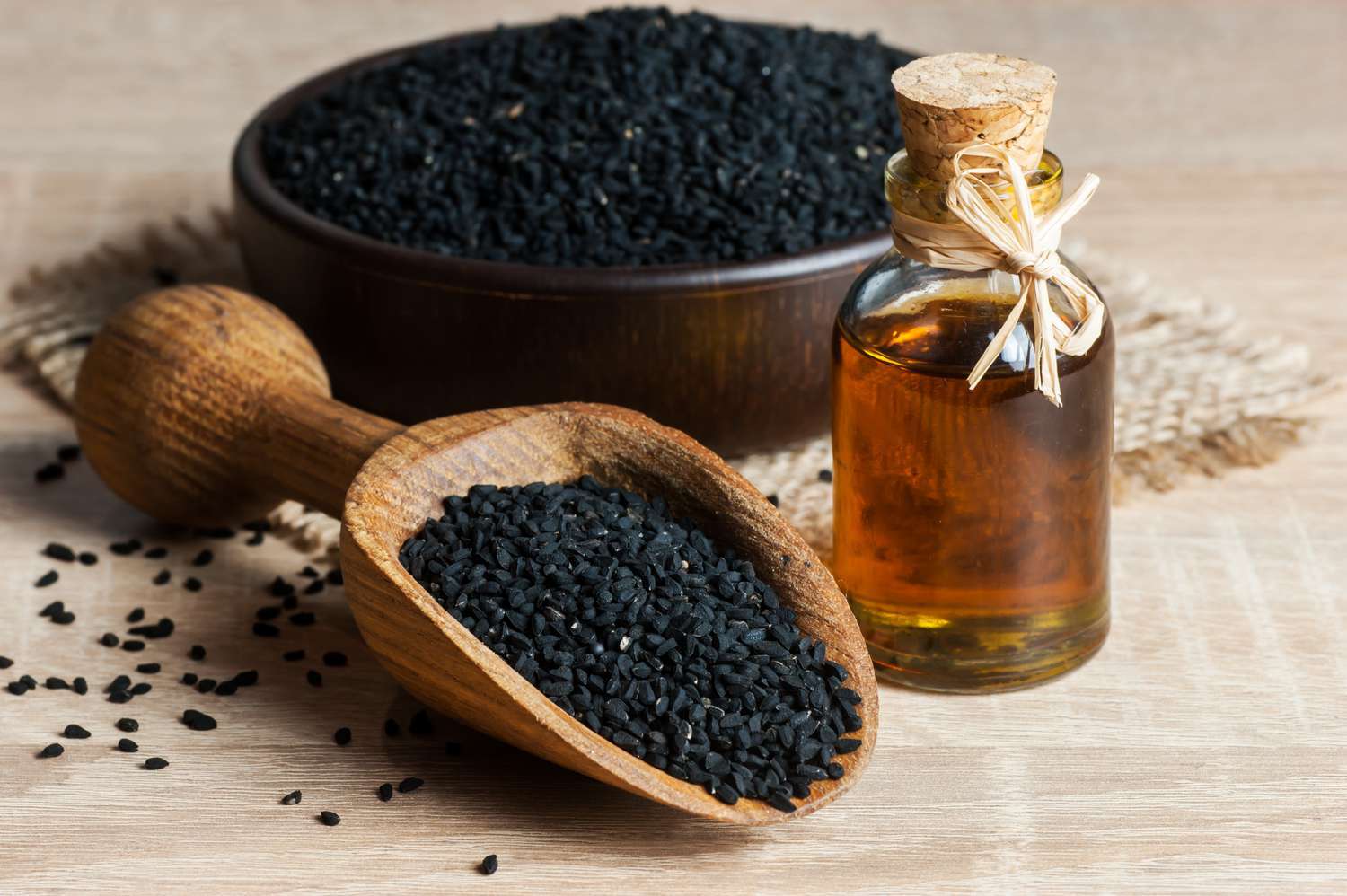
- Black seed oil: Packed with thymoquinone, a powerful antioxidant
Studies show that black seed oil can increase hair growth by up to 76% in just three months. That's why it's one of the core ingredients in my formula—along with over 40 other botanicals that work together to support healthy hair growth.
The Lifestyle Stuff That Actually Matters
Now, you can use all the topical treatments in the world, but if you're still running on fumes, you're not going to see the results you want. Here's what you need to focus on:
Sleep (I Know, I Know)
If you're only getting 4-5 hours of sleep a night, your cortisol levels are going to stay sky-high. And high cortisol means your hair stays in the resting phase.
You don't need to be perfect, but aim for 7-8 hours most nights. If you can't get that all at once, try a 20-minute nap during the day if possible.
Move Your Body
Exercise is one of the best ways to lower cortisol. You don't need to go to the gym for two hours or run a marathon. Just go for a walk. Ten minutes. Fifteen minutes. Get outside, get some sunlight, and move.
It clears your head, lowers stress hormones, and improves blood flow—including to your scalp.
Breathe (Seriously)
Most of us are walking around taking shallow breaths all day, which keeps our nervous system in fight-or-flight mode.
Try this: Breathe in for four counts, hold for four counts, breathe out for four counts, hold for four counts. Do that for two minutes. It's called box breathing, and it's one of the fastest ways to calm your nervous system and lower cortisol.
What to Expect (And When)
Let's talk timelines, because I don't want you to start this journey and then quit after two weeks because you don't see results yet.
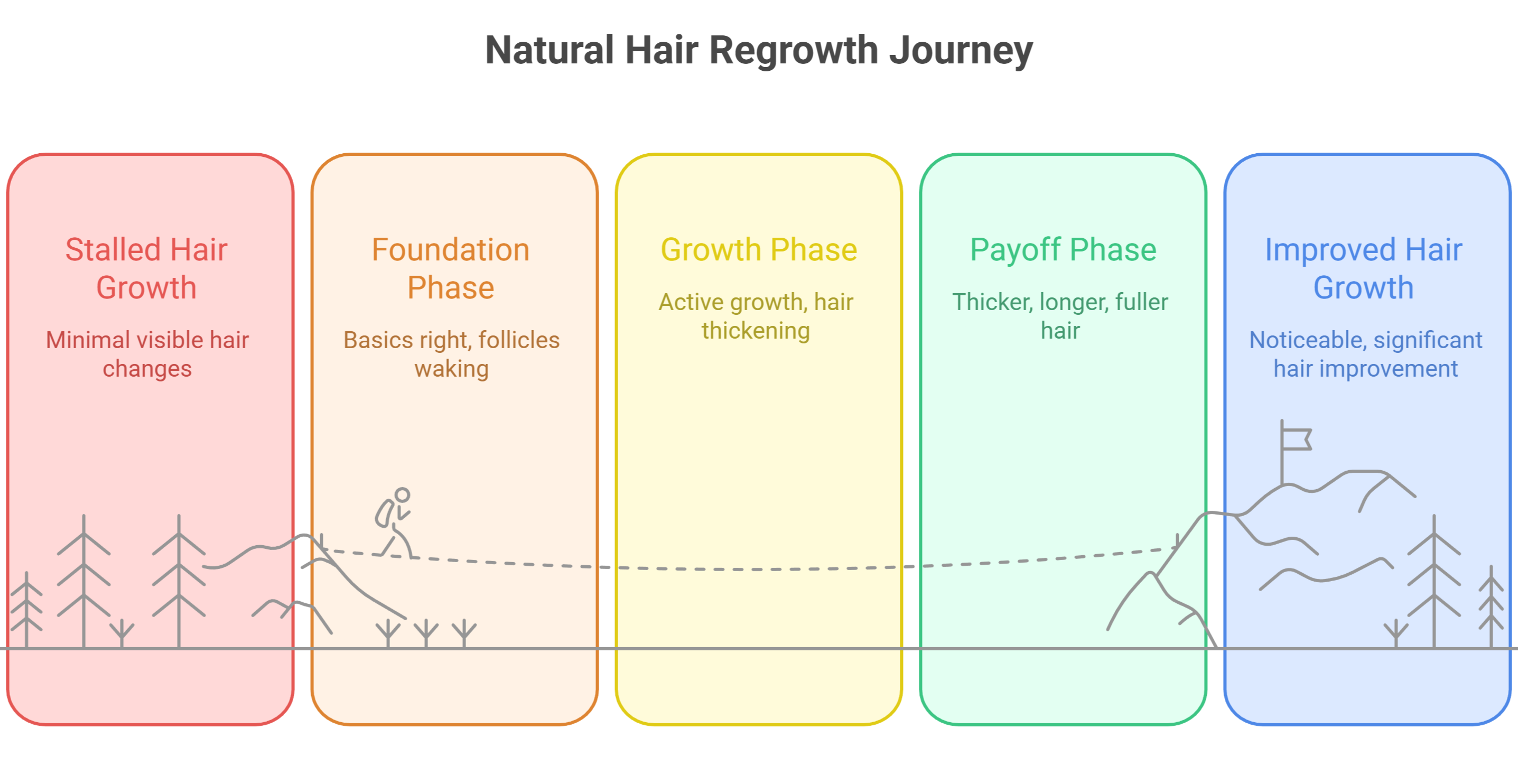
Weeks 0-4: Building the Foundation
You're probably not going to see much. Maybe the shedding slows down a little bit, maybe it doesn't. This is the phase where you're lowering cortisol, improving blood flow, and nourishing your follicles. But the hair that's already in the resting phase? It's still gonna fall out. Don't panic. This is normal.
Weeks 4-12: Things Get Interesting
The shedding should start to slow down. You might notice little baby hairs starting to sprout around your hairline or in areas that were thinning. Those baby hairs are a good sign—it means your follicles are waking up.
Months 3-6: Real Progress
This is where you start to see real results. Your hair should feel thicker, look fuller. People might start commenting on it. Your barber might say, "Hey man, your hair looks good. What are you doing?"
That's when you know it's working.
Months 6-9: Getting Your Density Back
Your hair should be noticeably thicker and healthier than when you started. And if you've been consistent with your routine, you should be feeling a lot better overall too.
The Mistakes That Keep You Stuck
Before we wrap up, I gotta talk about the mistakes I see guys making over and over again.
Mistake #1: Expecting overnight results
Hair grows slow. Period. If someone's promising you a full head of hair in two weeks, they're lying to you. Give it 90 days minimum before you judge whether something's working.
Mistake #2: Not tracking your progress
Your hair changes so slowly that you won't notice it day to day. Take photos. Same lighting, same angle, once a week. Three months from now, when you compare your photos, you're gonna see the difference.
Mistake #3: Ignoring the stress
You can use all the hair products in the world, but if you're still running on four hours of sleep and your cortisol's through the roof, you're not gonna get the results you want. You gotta address the root cause.
Mistake #4: Giving up too soon
Most guys quit right before they would've seen results. They do it for six weeks, don't see anything, and bail. Don't be that guy. Commit to 90 days. Track your progress. Trust the process.
Your Hair, Your Choice
Look, I get it. Hair loss sucks. It messes with your confidence. It makes you feel older than you are. But here's the truth: you've got more control over this than you think.
Your hair is more than just a style. It's a symbol of your health, your vitality, and your ability to take care of yourself. And if you're willing to put in the work, you can absolutely turn this around.
If you're serious about growing your hair back naturally, I created the Mane Growth Elixir specifically for busy dads who don't have time for complicated routines. It's got over 40 botanicals—including everything I just mentioned—in one bottle. No harsh chemicals. No side effects. Just natural ingredients that work with your body to support healthy hair growth.
And look, I'm not gonna sit here and tell you it's gonna work overnight. Because it won't. But if you use it consistently for 90 days, you're gonna see a difference. And if you don't? We've got a 90-day money-back guarantee. No questions asked.
Ready to take control? Check out the Mane Growth Elixir and start your journey today. Your future self—and your kids—will thank you.